There's a door in here with your name on it.
Students, schools and districts, researchers, and supporters each have a way to plug in. Pick the path that fits — and start.
Become a student representative or researcher.
Representatives are the bridge between their campus and AI Vanguard: they run the surveys and conversations, and carry what students say into the rooms where AI decisions get made. Student researchers work on the studies themselves, from coding public records to designing survey questions. State and Chapter Director roles are open for students who want to build the model where they live.
Who should apply
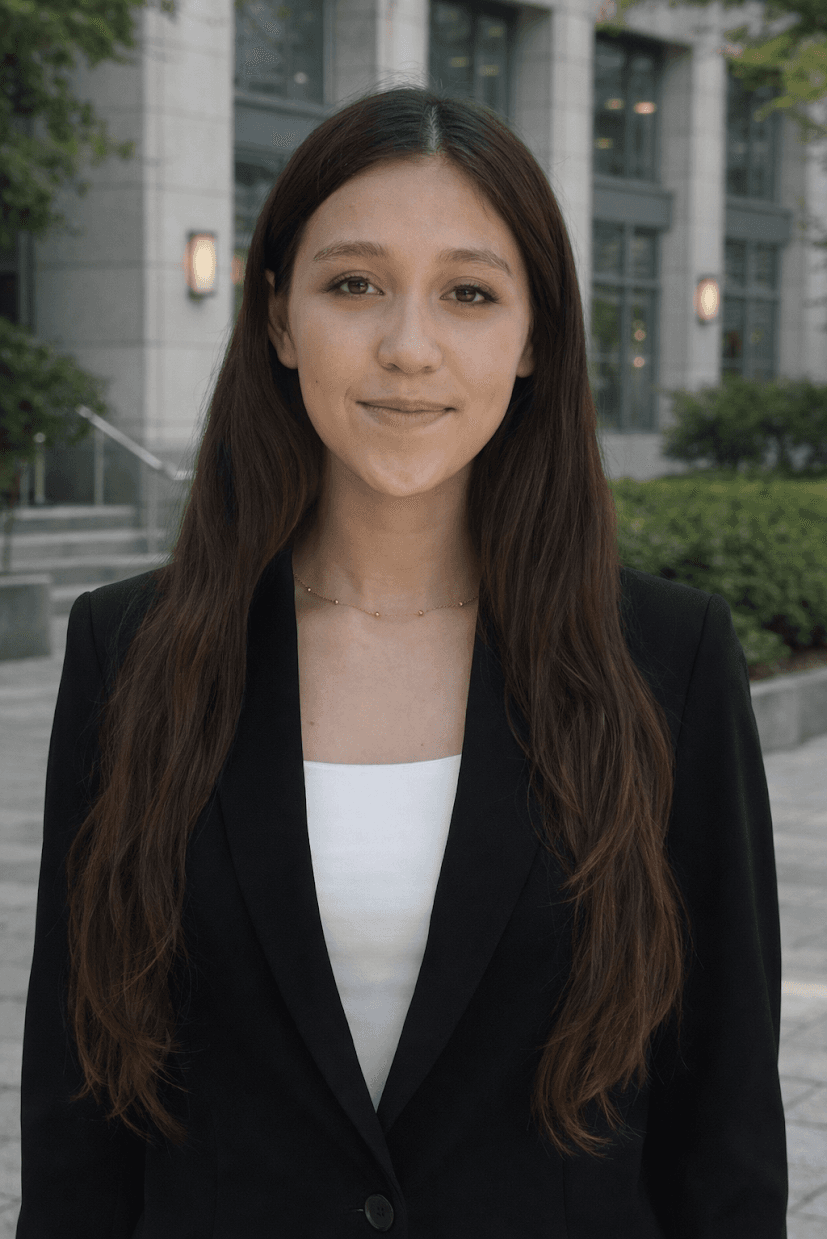
High school students anywhere in the U.S. who care about how AI lands in their school. You don't need to be a 'tech person,' just someone willing to listen carefully and speak up.
The roles
Campus Representative: run research and conversations at your school. Student Researcher: work on our studies. State or Chapter Director: bring AI Vanguard to your state or school, with support from the national cabinet.
Time commitment
A few hours a week, including evening virtual meetings, with more around major research or advocacy pushes.
What you get
Real research and governance experience, a cross-state network of student leaders, and ownership over work that districts actually look at.
Bring structured student AI input into your policymaking.
Not a one-time student panel. A repeatable way to hear from students before AI guidance is written, while tools are being chosen, and after they roll out. We have done this inside a district; we can help you do it in yours.
- Research
Run a student-voice study
We design and run a survey or focus group on your campuses and deliver findings your leadership can use, with student privacy protected throughout.
- Advisory
Stand up a student AI advisory structure
A standing student liaison, an advisory group, or a council with a mentorship pipeline, built to survive graduation. Modeled on the structure we are developing with ABC Unified.
- Presentation
Put students in front of your staff or board
Student-led sessions for professional-learning days, board meetings, or family events, grounded in what students actually report about AI.
Collaborate on student-centered research.
We bring students who can help design instruments, sit on focus groups, and explain the why behind survey answers. We do exactly this with Project Tomorrow's Speak Up program, and we are open to more.
Instruments
Student review of survey questions before they go to the field, so the wording matches how students actually experience AI at school.
Qualitative depth
Student focus groups and interviews that add context to quantitative findings.
Methods
Our preregistered public-records approach to studying student influence on district policy, shared openly with anyone studying the same question.
Mentor, sponsor, invite, or connect.
Student voice on AI in education needs adult allies — educators, researchers, funders, and press.
Mentor
Advise the cabinet on research methods, district process, or organizational strategy.
Sponsor
Fund a research cycle, the Vanguard Open prize pool, or onboarding for a new state.
Invite
Put a student on your panel, in front of your staff, or at your board meeting.
Connect
Introduce us to a district leader, a researcher, or a reporter who should know this work exists.
Questions we get asked a lot.
Do I need to be in California to apply?
No. Student roles are open nationwide. We currently have student leadership in 6 states: California, Minnesota, Tennessee, Connecticut, New Jersey, Michigan. State and Chapter Director roles exist to bring the model to more.
Is there a fee to join or partner?
No. AI Vanguard is a student-led nonprofit. Participation as a student leader or district partner is free.
How do you handle student data in your research?
Research participation is voluntary, and surveys and focus groups are designed to protect student privacy. We publish nothing that identifies an individual student, and our records study uses only public or legally obtained documents.
Can I get in touch about something that isn't listed here?
Yes. The contact page has the right channels for general questions, press, and district inquiries.